
Well Operational Execution

By NEXUS OFS Categories: Drilling
Wishlist Share
$1,700.00

About Course

This course provides a practical understanding of drilling well operational execution, focusing on how drilling activities are planned, prepared, monitored, and safely executed in real field environments. Participants will gain insight into operational workflows, risk identification, well barriers, well control awareness, operational readiness, troubleshooting, and execution decision-making. The training combines engineering principles with field-based operational practices to help personnel improve execution quality, operational discipline, and overall well delivery performance.

What Will You Learn?

  • Understand drilling execution workflow
  • Read and interpret well programs
  • Identify drilling operational risks
  • Apply risk mitigation methods
  • Understand well barrier principles
  • Improve well control awareness
  • Recognize kick warning signs
  • Monitor drilling operations effectively
  • Understand operational readiness checks
  • Improve field communication practices
  • Support safe drilling execution
  • Manage routine and abnormal situations
  • Improve troubleshooting awareness
  • Understand contractor interface management
  • Strengthen operational decision-making
  • Improve reporting and documentation
  • Understand NPT tracking basics
  • Learn lessons learned practices
  • Improve operational discipline

Course Content

Live session with Instructor

  • Session 1
  • Session 2
  • Session 3
  • Session 4
  • Session 5

Module 1 – Introduction to Well Operational Execution

Provides an overview of drilling operational execution, including well objectives, operational workflows, execution phases, and the relationship between planning, engineering, and field operations. Participants will also understand key interfaces between operators, rigs, and service providers.

Module 2 – Understanding the Well Program
Focuses on how to read and interpret a drilling well program, including operational sequences, critical path activities, equipment requirements, operational limitations, and converting engineering plans into practical field execution.

Module 3 – Operational Readiness and Pre-Job Preparation
Covers pre-spud and pre-task readiness processes, including personnel competency, equipment certification, logistics preparation, SIMOPS considerations, and the importance of effective communication, toolbox talks, and shift handovers.

Module 4 – Hazard Identification and Risk Mitigation
Introduces operational risk assessment principles and common drilling hazards. Participants will learn how to identify threats, apply mitigation measures, understand escalation triggers, and maintain proactive risk awareness during execution.

Module 5 – Well Barriers and Well Control Awareness
Explains drilling barrier philosophy, primary and secondary barriers, operational integrity preservation, kick warning signs, and basic response logic during abnormal pressure events to improve well control awareness.

Module 6 – Daily Execution Control at the Wellsite
Focuses on monitoring drilling activities against plan, operational tracking, drilling parameter awareness, deviation management, coordination with contractors and service companies, and managing routine and non-routine operations.

Module 7 – Abnormal Situations, Troubleshooting, and Recovery
Provides practical understanding of abnormal drilling conditions such as losses, influxes, stuck pipe, and instability. Participants will learn contingency thinking, operational decision-making, and response strategies during operational upsets.

Module 8 – Human Factors, Leadership, and Operational Discipline
Discusses the impact of human factors on drilling operations, including communication failures, situational awareness, leadership behaviors, interface management, and learning from weak signals and near misses.

Module 9 – Reporting, Performance Review, and Lessons Learned
Covers operational reporting, NPT tracking, lessons learned processes, post-well reviews, and how operational experience can be converted into continuous performance improvement and stronger execution culture.

Module 10 – Practical Case Study Workshop
A practical workshop where participants review a drilling execution scenario, identify operational risks, evaluate barriers and readiness, discuss response strategies, and receive instructor feedback on execution decisions.

Final Quiz

Earn a certificate

Add this certificate to your resume to demonstrate your skills & increase your chances of getting noticed.
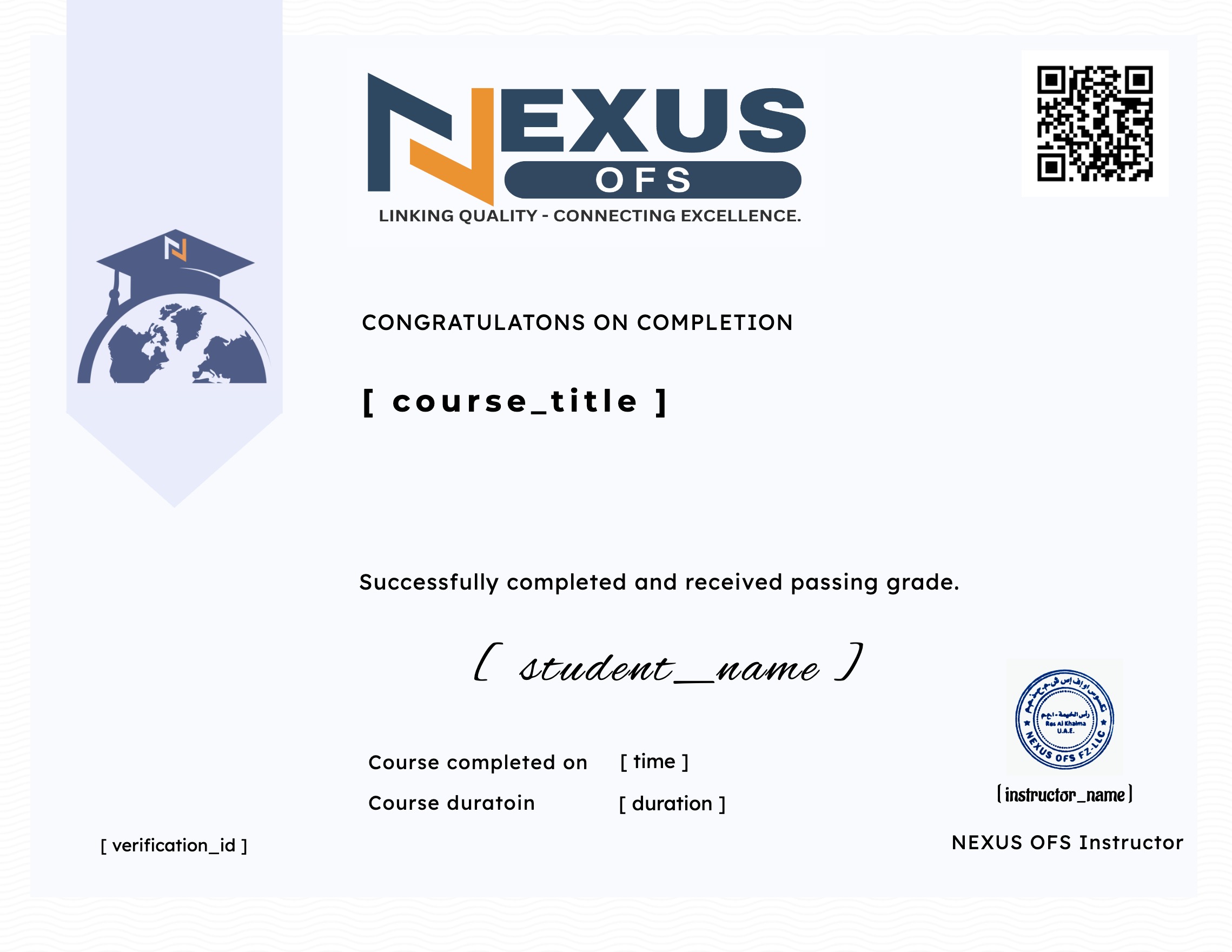
selected template

Student Ratings & Reviews

No Review Yet
No Review Yet

Want to receive push notifications for all major on-site activities?